Turn Event Chaos Into a Seamless Press Experience
A packed fall event calendar can either make your brand or bury it in noise. When media are racing from NYFW shows to awards parties to holiday launches, they do not have time to hunt for details, chase quotes, or guess where to stand. They need clarity, access, and a plan that respects their schedule.
That is where a press logistics kit comes in. It is a simple, centralized system that pulls together your media list, run-of-show, press materials, and on-site interview workflow. When these pieces work together, your event feels smooth for journalists, stress-free for talent, and powerful for your brand. At The Brand Agency, we see it as the difference between scattershot mentions and smart, culture-driving coverage.
Designing a Smart Media List That Actually Shows Up
A media list is more than a sheet of names and emails. It is your event guest strategy. The right mix of outlets and creators can turn one night into weeks of fashion, beauty, entertainment, and lifestyle coverage.
For a strong list, we like to include clear, useful data such as:
- Outlet type: print, digital, broadcast, podcast, social creator
- Beat: fashion, beauty, entertainment, culture, lifestyle, business
- Audience: who they speak to and what those people care about
- Location and usual travel patterns during busy fall event weeks
- Past coverage of your brand or similar brands
A good media relations agency thinks in segments. For a fall or holiday launch, that might look like:
- Traditional editors for trend pieces and gift guides
- On-camera talent and producers for red carpet and step-and-repeat coverage
- Freelancers who can pitch multiple outlets
- Influencers who shoot content on-site for fast social hits
Make your list easy to work with. A few practical moves:
- Tier your contacts, for example A, B, C, and assign each tier to a specific team member for outreach
- Add RSVP status columns such as invited, confirmed, declined, maybe, plus notes
- Record arrival window, preferred content format, and any accessibility, security, or dietary needs
Do the thinking upfront, so once invites go out, you can focus on relationships instead of spreadsheets.
Crafting a Run-of-Show That Works for Media and Talent
A basic event schedule is not enough. Media need to know when and where the moments are, what they are allowed to shoot, and when talent will be available. A media-focused run-of-show gives that clarity.
We like to build a separate media ROS that includes:
- A time-stamped breakdown of arrivals, step-and-repeat, speeches, performances, reveals, and interviews
- Exact locations for photos, B-roll, and quiet spots for longer sit-downs
- Clear ownership: who runs press check-in, who wrangles talent, who can approve last-minute changes
During busy fall weeks in places like New York or Los Angeles, you also want to plan around traffic, weather shifts, and other shows. That means:
- Buffer time for late arrivals, car delays, or outfit changes
- Dedicated windows just for content capture, like golden-hour outdoor shots or backstage access
- Contingency plans if a celebrity runs late, if you need to move a red carpet inside, or if breaking news pulls press away for part of the night
When media see a clean, realistic schedule, they trust your team and are more likely to stay longer, capture more, and come back next time.
Press Materials That Do the Talking for You
Press materials should answer questions before anyone needs to ask. When they are tight and clear, reporters can file quickly, producers can write segments fast, and influencers know exactly how to frame your story.
At minimum, your press logistics kit should hold:
- An event press release with a clear angle and tight headline
- Brand and talent bios, fact sheets, and simple product one-pagers
- Image and video links or QR codes for approved visuals, logos, and B-roll
Write everything for speed. That means:
- Lead with why this event matters right now, such as fall trend shift, awards-season tie-in, or holiday drop
- Add short, quote-ready lines from founders, celebrities, and partners
- Keep details in one place: correct spelling, titles, social handles, price, launch date, and where the product or experience will live
A smart media relations agency also thinks about timing. Good flow looks like:
- Pre-event: digital press kits with clear embargo notes and visual rules
- On-site: printed cheat sheets, plus QR codes at check-in or media areas
- After: quick follow-up with best photos, recap angles, and any updated notes from talent or brand leaders
Your materials should feel like a toolkit, not a puzzle.
Onsite Interview Workflow That Maximizes Every Minute
Once talent steps onto the carpet, every second counts. Celebrities, founders, and executives are often juggling glam, social content, and multiple events in one night. Media need structure so no one is left waiting or guessing.
A strong interview workflow includes:
- Pre-assigned interview slots based on media tier and outlet type
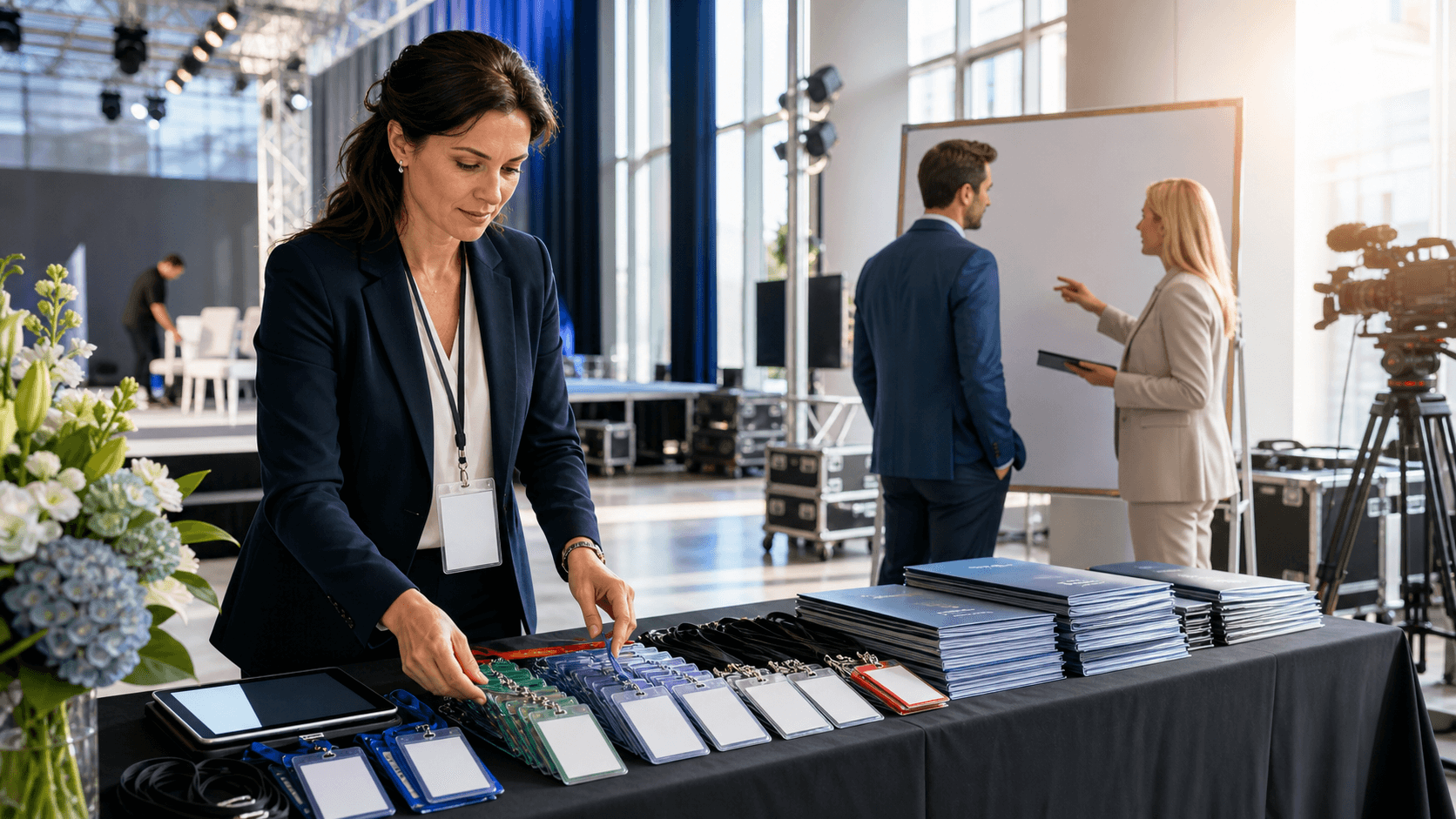
- Color-coded or clearly labeled passes that match access levels
- Defined interview zones, such as step-and-repeat, quick soundbite corner, and longer sit-down area
Staffing is what keeps all that from falling apart. At a minimum, we like to see:
- A press lead who owns all media timing, approvals, and changes
- A talent wrangler who stays with talent, shields them when needed, and keeps everyone on schedule
- A note-taker or content coordinator who tracks which outlet spoke with whom, what topics came up, and who needs follow-up assets
Clear etiquette keeps the energy calm. Set guidelines for time limits, what is on or off topic, and when photos are allowed. Have backup options ready, like small group Q&As or post-event virtual chats, in case a one-on-one gets missed. Use radios or group messaging so you can adjust in real time without showing chaos on the floor.
Turning Your Press Logistics Kit Into a Repeatable System
The real power of a press logistics kit is that it does not end when the last guest leaves. When you treat it like a living system, each event gets smoother, and your media relationships grow stronger.
Right after the event, run a quick debrief:
- Who attended versus who confirmed, and why
- Which press assets got the most use
- Where your run-of-show or interview flow slowed down
- What coverage or social moments stood out
Then turn your work into reusable tools. That might mean:
- Turning your media list layout, ROS, interview grids, and press kit into templates you can copy
- Building seasonal playbooks for fall launches, awards-season events, holiday showcases, and festival or tour tie-ins
- Deciding which events your in-house team can handle and which ones call for support from a media relations agency with celebrity-first experience
At The Brand Agency, we build these systems so brands can keep showing up in culture, not just on a calendar. When your press logistics kit is tight, every event becomes a chance to deepen relationships, shape your story, and give media an experience they are excited to cover again.
Get Started With Your Project Today
If you are ready to strengthen your brand's visibility and credibility, our team at The Brand Agency is here to help. Explore how our media relations agency has driven results for organizations like yours, then imagine what we can do together. Tell us about your goals and challenges, and we will outline a tailored approach that fits your needs. To discuss next steps or request a proposal, simply contact us.