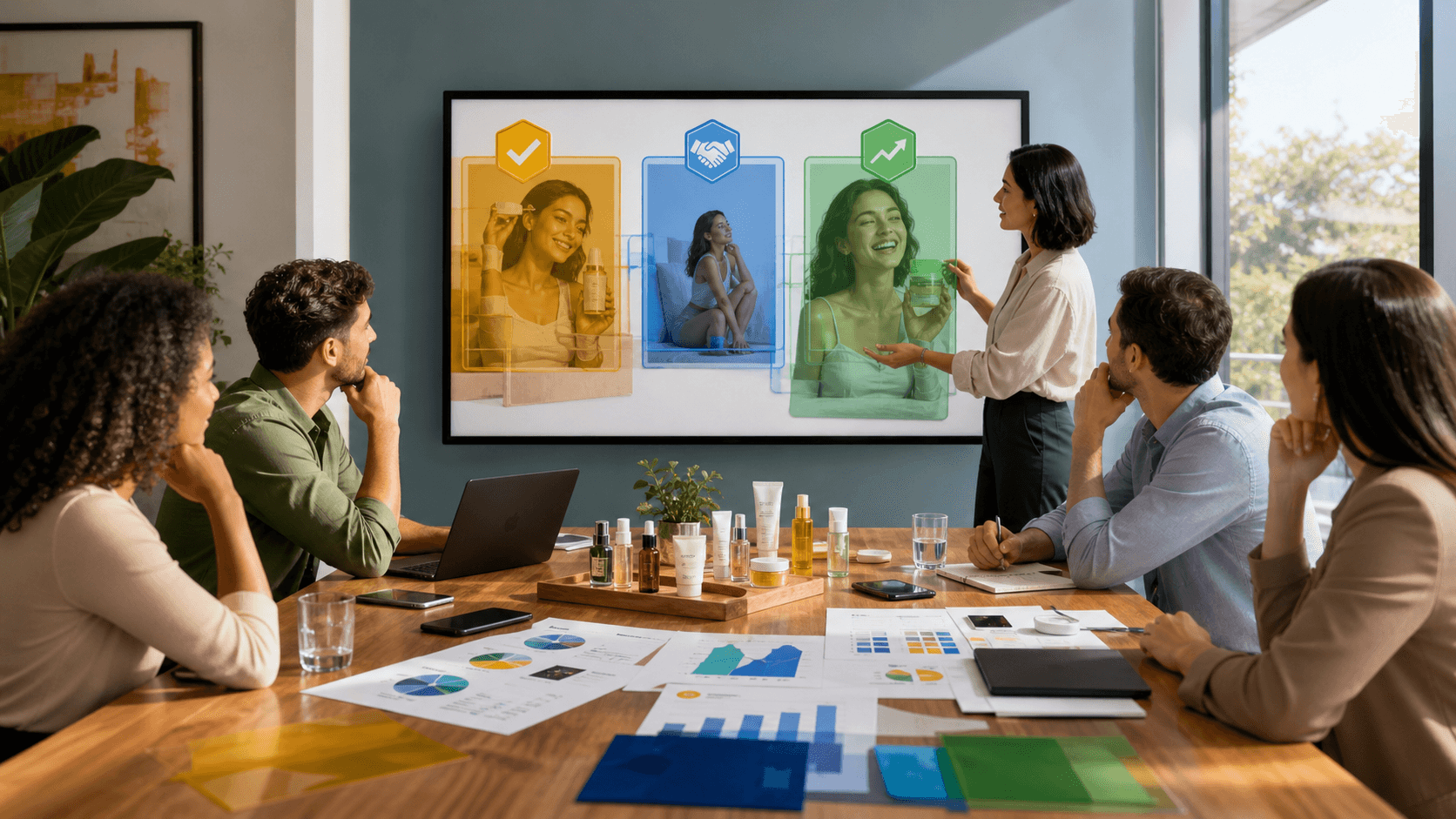
Turn Influencer Promises Into Measurable PR Wins
The holiday season is when brands go big with celebrities and creators. Q4 launches, gift guides, and end-of-year product drops all hit at once, and PR agency promises suddenly sound huge and shiny. That is exactly when small details in influencer deals can quietly put your budget at risk of overspending.
At The Brand Agency, we look at this through a performance PR lens. That means we care less about bragging rights and more about what actually moves the needle, like search lift, sales, sign-ups, and foot traffic. To get there, you have to pressure-test every promise your PR agency makes before you sign, especially around deliverables, usage rights, whitelisting, and how you will prove incrementality.
When you treat influencer and celebrity deals like performance tools, not just press moments, every dollar works harder for your entertainment, fashion, beauty, or lifestyle brand. Let us break down how to audit those claims so your next Q4 partnership is both culturally strong and business smart.
Decode Deliverables Before You Sign Anything
Most influencer issues start with fuzzy language. Phrases like "integration into launch" or "support during holiday push" sound exciting but do not tell you what you actually get.
You want clear, simple deliverables such as:
- Exact number of posts
- Platforms and formats
- Posting windows and backup dates
- How many approval rounds you get
We suggest locking in details like:
- Content formats: Reels, TikToks, Stories, carousels, static posts
- Minimum lengths: for example, how long a Reel or TikTok should run
- Posting windows: big holiday weekends, key retail dates, shipping cutoffs
- Exclusivity: can they work with direct competitors during the same period
- Brand mentions: tags, hashtags, product names, key talking points
Then bring in a performance mindset. A performance PR agency will not stop at "three TikToks and two Reels." We want each deliverable tied to simple KPIs, such as:
- Estimated reach and engagement benchmarks
- Clicks or swipe-ups for tracked links
- Save and share rates as signals of real interest
You can also ask what happens if things slip in Q4. If a key post goes live late or underperforms, is there:
- A make-good post
- Extra Stories
- A shift in content angle to spark more engagement
Getting all of this defined up front saves you from painful back-and-forth when your holiday calendar is already full.
Nail Usage Rights and Content Ownership Upfront
Usage rights are where small lines in a contract can grow into big hidden costs. The content might look great on social, then your team wants to use it in paid media, email, in-store screens, or a holiday recap. Without clear rights, that "great idea" can turn into weeks of legal emails.
Focus on four areas:
- Organic-only vs paid usage: can you only repost, or can you run it as an ad
- Duration: 30, 90, 365 days, or longer
- Territories: US-only or global use
- Channels: brand social, your site, retail partners, OOH, CTV, paid social
A performance PR agency mindset treats content as an asset, not a one-time post. We like to plan for modular content you can repurpose across Q4 and into Q1, such as:
- Short cuts from a hero video for Reels and TikTok ads
- Stills pulled for email, landing pages, and press materials
- Clips that can support late-season reminders and "last-chance" pushes
You can also negotiate renewal options at pre-agreed rates so you are not stuck re-doing deals later. Be careful with "perpetual" language unless your team has truly weighed the long-term value and any brand or legal risks. The goal is simple: rights that are wide enough to fuel performance, but not so broad that you overpay for things you will never use.
Whitelisting and Paid Amplification That Actually Convert
Whitelisting can turn a strong piece of creator content into a high-performing ad, especially during busy holiday periods. In simple terms, whitelisting means your brand runs paid ads from the talent's handle, through your ad accounts, to your target audiences.
To keep this clean and effective, lock in:
- Platforms: Meta, TikTok, YouTube
- Ad formats: Spark Ads, dark posts, boosted Reels, Story ads
- Access: who gets account permissions and how it is set up
- Approvals: who signs off on creative and copy changes
- Controls: who manages budgets, optimization, and audiences
When you hear big promises like "massive visibility," pause and ask, "How are we measuring performance?" A true performance PR approach connects whitelisting to:
- ROAS and CPA
- New vs existing audience reach
- View-through or click-through impact on key pages
Whitelisted creator content should not live on an island. It needs to work with your full Q4 media mix, including:
- Search and shopping
- Retail media
- Email flows
- Traditional PR beats and launch events
That way, your celebrity or influencer posts do not just look good, they push people closer to action.
Proving Incrementality, Not Just Buzz
During holiday season, sales and traffic often spike anyway. So the big question is not "Did numbers go up?" but "How much of that lift came from this specific campaign?"
That is where incrementality comes in. You are asking, "What would have happened without this influencer or event, and what changed because of it?"
You can keep measurement simple and still be smart by:
- Comparing pre and post periods that match in length and weekday mix
- Running matched-store tests for retail-focused campaigns
- Holding out a small audience from whitelisted ads
- Using unique landing pages or offer codes by creator or event
A performance PR agency will set a measurement plan before anything goes live. That includes:
- Clear success thresholds that everyone understands
- Attribution rules that spell out how you will credit PR, social, and paid
- A readout that separates seasonal noise from true campaign lift
The goal is not to chase perfect data. It is to have a shared, honest view of what worked, what did not, and what to change next time.
Build a Reusable Audit Checklist for Every Deal
Once you have gone through this process a few times, turn it into a simple checklist your team can use for every new influencer or celebrity deal. At minimum, include:
- Deliverables and timing
- Usage rights and content ownership
- Whitelisting and paid rules
- Incrementality and measurement methods
Bring key partners in early. Strong deals usually involve:
- PR and experiential teams
- Social and community teams
- Paid media and growth
- Legal and finance
When everyone is aligned from the start, your influencer partnerships stop being one-off stunts and start acting like part of a real performance engine.
At The Brand Agency, we build campaigns that live at the intersection of culture and outcomes. By treating each influencer deal like an asset that can be measured, reused, and amplified, brands can step into Q4 feeling less stressed and more in control of how every partnership supports real business growth.
Get Started With Your Project Today
If you are ready to turn earned media into measurable growth, our team at The Brand Agency is here to help you build a strategy that actually moves the numbers. Explore what makes our performance PR agency different, then bring us your goals, challenges, and timelines. We will work with you to design a roadmap that connects strategic storytelling with clear performance metrics. To discuss your project and timelines in more detail, simply contact us.