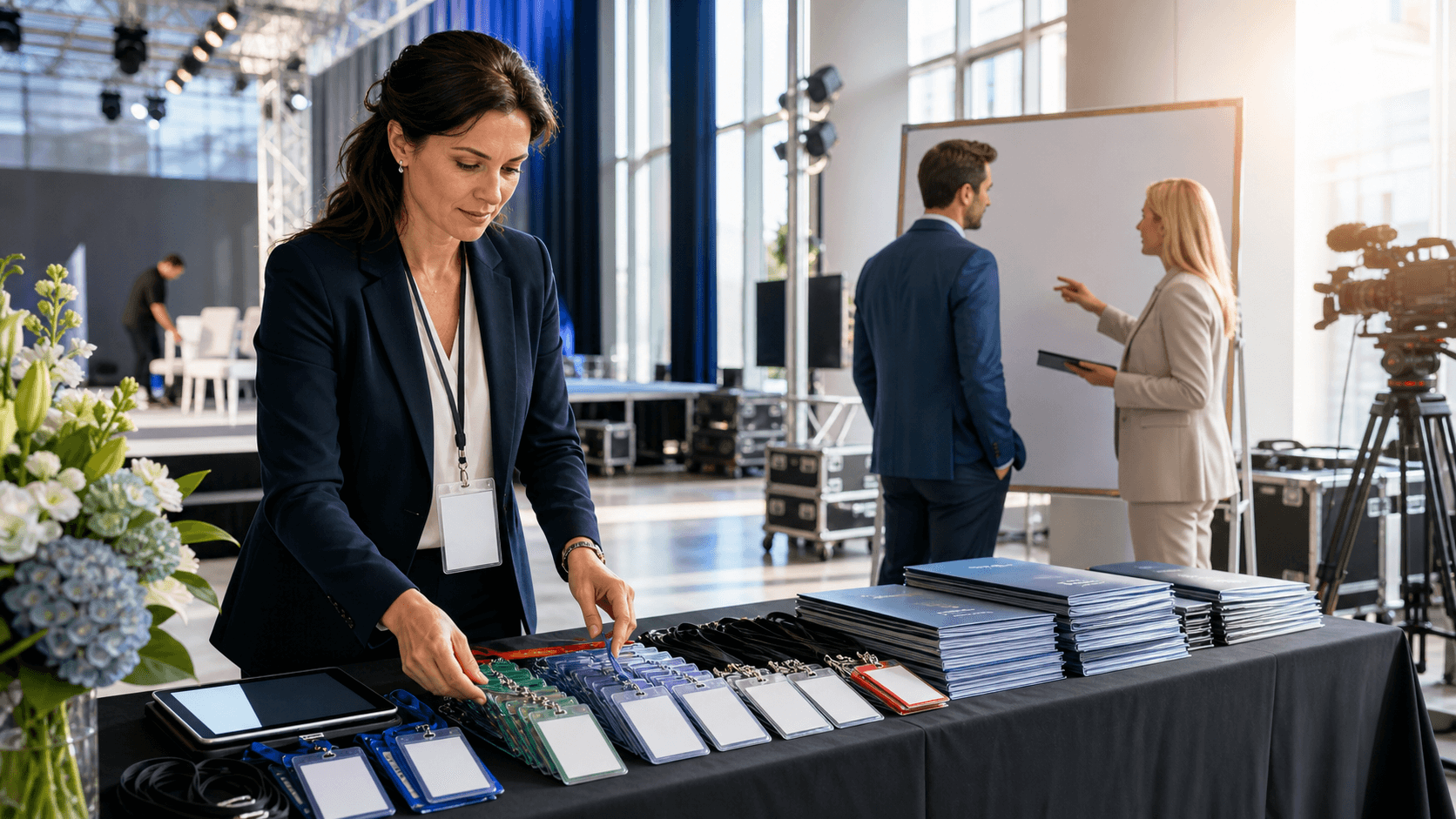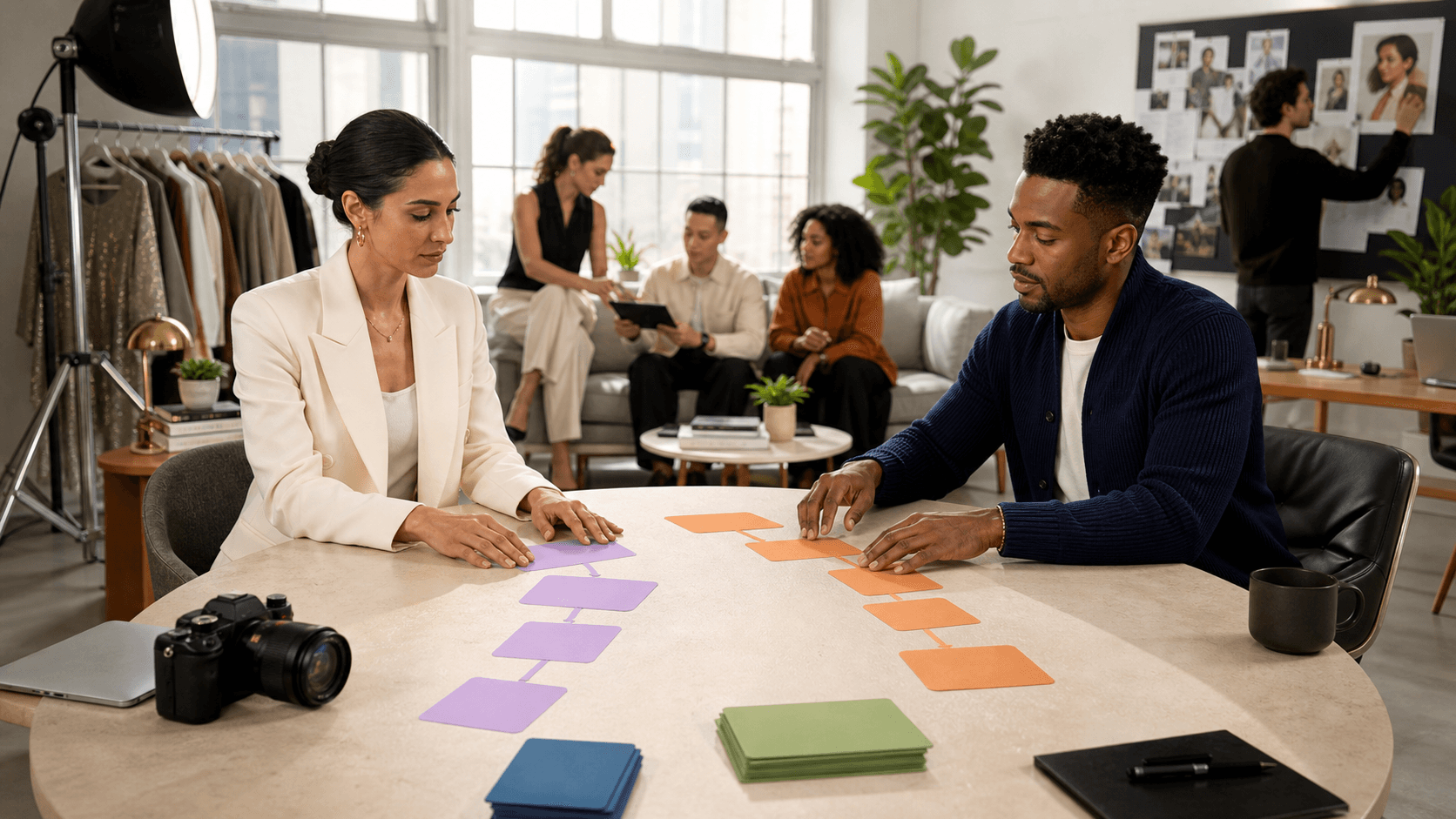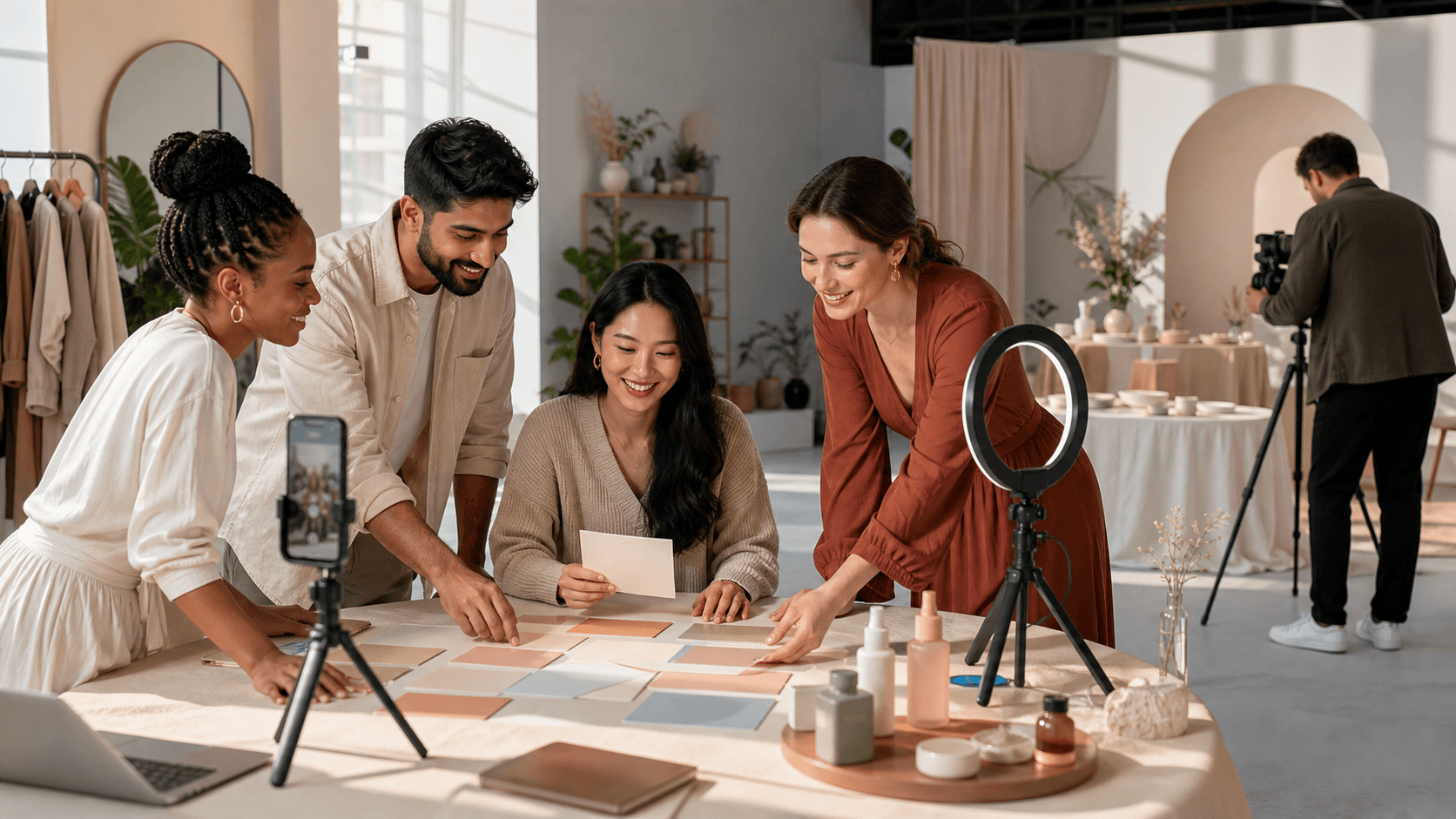
Late summer into fall is peak event season. You have NYFW invites, holiday previews, and new product drops stacking up, and the pressure is on to fill rooms and feeds with the right creators. If every event starts with a blank influencer brief, things get messy fast. Content feels random, rights are unclear, and no one can say what actually worked.
We want to show you a different way. With a repeatable influencer brief that you build once and then tweak for each stop in an event series, you can turn scattered one-off gigs into a steady, measurable system. This is the kind of structure we lean on at The Brand Agency when we run celebrity-first, influencer, and experiential campaigns for fashion, beauty, entertainment, and lifestyle brands.
Turn One-Off Influencer Gigs Into Scalable Event Engines
Late-summer heat, early fall evenings, packed calendars. Brands are trying to do more experiential, in more cities, with the same or smaller teams. The pressure is real, especially when every event needs content that looks premium and on brand.
The problem is most briefs are written on the fly for each event. That leads to:
- Inconsistent messaging and visuals
- Confusing content expectations
- Rights that nobody fully understands
- KPIs that change every time
A repeatable system shifts this. You create a master influencer brief that holds your core brand story and rules, then plug in city, venue, and theme details for each stop. As an event influencer marketing agency, we see how this turns influencer chaos into something you can plan, track, and scale across a whole season of events.
Architecting a Repeatable Brief Framework That Actually Scales
The first step is building what we like to call the evergreen spine of your brief. This is the part that rarely changes and keeps your brand stable across every event in the series.
Your evergreen spine should cover:
- Brand narrative and promise
- Tone of voice and visual style
- Non-negotiable dos and do nots
- FTC and platform compliance rules
- Baseline deliverables and formats
Then you add what we think of as event series logic. Create modular sections for themes like Fall Launch Tour, Campus Tailgate Series, or Holiday Glam Pop-Ups. Inside each module you adjust details like:
- Cities and dates
- Venue type and capacity
- Key product focus
- Overall mood and story arc
To keep this working across five or twenty events, roles need to be clear. For example, the brand or HQ team owns the evergreen spine, the event influencer marketing agency updates event and city modules, legal checks rights and disclosures, and the social team polishes content specs.
Help everyone stay sane with simple file rules. Use clean naming like Brand_EventSeries_City_Version and keep old versions in an archive subfolder so no one posts from last month's brief by mistake.
What Every Event Influencer Brief Must Include
Once the framework is set, every single event needs the same core information so creators are never guessing.
Make sure your brief covers:
- Event context: date, time, full address, dress code, guest list highlights, and a simple run-of-show. Call out the moments that matter, like runway, performances, product reveals, or step-and-repeat.
- Content and messaging guidelines: required tags and hashtags, key talking points, product angles, and visual direction like editorial street style, high-glam beauty, or day-to-night festival.
- On-site expectations: where to check in, who their contact is, how content approvals work, and time windows for live posting versus recap moments. Note any extra asks like red carpet interviews, stage time, or meet-and-greets.
- Compensation and logistics: fee, travel and glam support, payment terms, a quick summary of usage rights, and any bonus tied to clear KPIs like RSVPs or content performance.
When this is standardized once, you only adjust what shifts: the venue, the time, the theme, and unique local details.
KPIs That Prove Event Influencer Campaigns Work
If everyone is guessing on success, it is hard to grow. Your repeatable brief should lock in shared KPIs so every event is judged the same way.
Pre-event KPIs might include:
- Save-the-date and announcement reach
- RSVP volume and general fit with your target guest
- Waitlist growth
- Link clicks by talent or post type
On-site and post-event, watch:
- Attendance rate compared to RSVPs
- Check-ins that can be tied to specific influencers
- Social content volume and UGC from guests
- Engagement and comment quality around brand messages
Then connect content to business outcomes where you can, like promo code redemptions, traffic spikes to product pages, email signups, or sales lift in a set window after the event.
An experienced event influencer marketing agency will standardize these KPIs across your full tour so you can compare City A to City B, test formats, and adjust talent or programming with real insight, not guesswork.
Content Rights, Whitelisting, and Repurposing at Scale
Content rights are where many briefs fall apart, especially when you try to reuse content across a series. The key is to spell things out clearly and simply.
Think of rights in tiers like:
- Organic only on the creator's channels
- Extended organic usage on brand channels
- Paid whitelisting from creator handles
- Full-funnel usage across paid, retail, and more
For an event series, you can bundle rights across multiple stops, set clear timelines, and list the exact channels, like brand social, email, paid social, and retail partners.
Whitelisting needs extra clarity. Note what platforms you plan to use, how long campaigns might run, and what approvals are needed before ads go live. The brief should include any necessary language to keep things clean with platforms and legal teams.
Then plan ahead for repurposing. Event content can fuel:
- Reels and TikToks in highlight form
- Paid social ads focused on product or experience
- In-store or showroom screens
- PR pitches to media
- Decks for retailers and investors
When content rights are baked into your master template, your team is not chasing approvals every time they want to reuse a great clip.
Plug-and-Play Templates for Multi-City Event Series
Now put it all together in a master brief template that works across your full calendar. A simple structure might look like:
- Core brand section
- Event series section, like Fall Campus Tour
- City-specific page for each stop
- Add-on modules for VIP talent, media, and partners
You can also tailor versions by vertical. For example, fashion might call out runway call times, beauty might highlight glam stations and tutorial content, entertainment might focus on screenings or performances, and lifestyle might center on fitness or travel experiences.
For each market, customize:
- Local creator mix
- Cultural notes and do nots
- Venue rules and content limits
- Local partners, sports seasons, and key shopping dates
This kind of template cuts lead times, speeds approvals, and lets your team grow a series from one to ten events without burning out.
Turn This Framework Into Your Next High-Impact Event Series
When you put all these parts together, you get a simple but strong system: an evergreen brief spine, modular event sections, shared KPIs, and clear content rights. That structure makes influencer-driven events repeatable, measurable, and far easier to scale across cities and seasons.
The next steps are straightforward. Audit your current briefs, spot the gaps in KPIs and rights, sketch your master template, and test it on your next couple of events. From our base in Los Angeles, we build and run celebrity-first, influencer-led experiences like this for fashion, beauty, entertainment, and lifestyle brands that want their events to feel big, not brittle. With the right repeatable brief in place, your next event series can stop feeling like a scramble and start working like a real engine for brand growth.
Get Started With Your Project Today
If you are ready to turn your next live experience into a measurable growth channel, our team at The Brand Agency is here to help. Explore how our event influencer marketing agency approach has driven results for brands like yours, then imagine what we can build together. We will work with you to align the right creators, content, and on-site strategy to your event goals. Have a brief or idea to discuss today? Contact us and we will follow up with a tailored plan.