Turn One Night Into Months of High-Performing Content
A single event should not be a one-night hit that disappears the next day. When you plan content capture, creator rights, and paid distribution as one connected system, that launch party or pop-up can feed your content pipeline for months.
For beauty, fashion, lifestyle, and entertainment brands, the real win is not just who shows up in the room. It is how that moment shows up on creator feeds, in paid ads, and across press and retail. With IRL calendars packed, every event has to work harder. In this guide, we are walking through how to design an activation-to-influencer content system, from on-site capture to UGC rights, whitelisting and Spark Ads, and post-event paid distribution, plus where influencer marketing agency services plug in to keep the whole thing moving.
Design Your Event Around Content From Day One
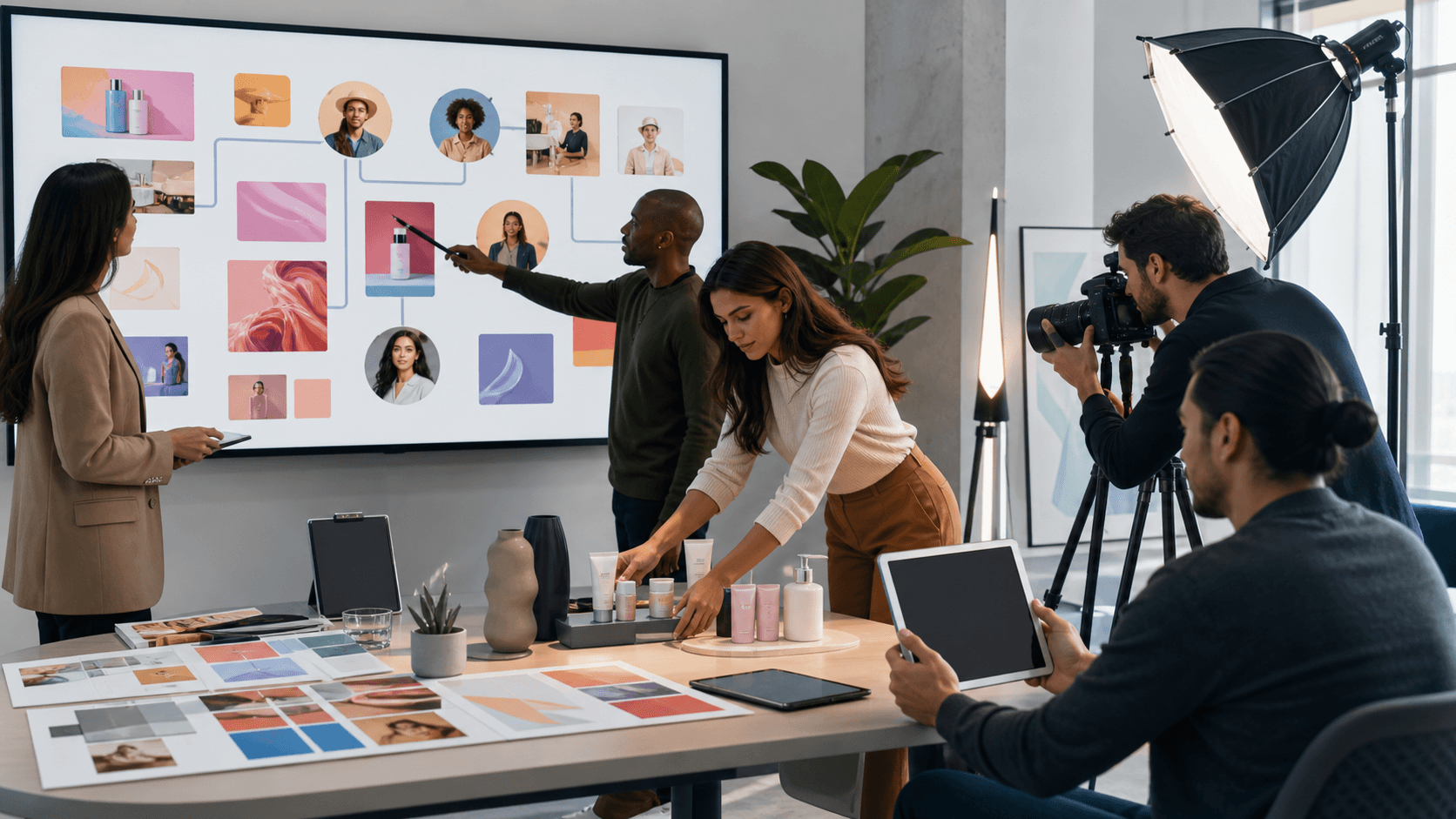
If content is the goal, it has to shape the event from the very first brief, not get added at the end. We like to start by building a capture-first creative brief.
That means spelling out the exact assets you want before you ever pick a venue or DJ:
- Vertical clips for Reels, TikTok, and Shorts
- Long-form recap edits and sizzle reels
- Stills for press, retail, and email
- Behind-the-scenes and candid moments
- Talent soundbites and product explainers
Then decide your platform priorities. If TikTok is the hero, plan strong transitions, GRWM touchpoints, and fun audio moments. If Instagram is key, build a hero shot area that feels cinematic and editorial. Work with your production team and influencer marketing agency services partner so lighting, audio, and signage all support quick, easy capture for both your crew and creators.
Next, map talent and creator roles to content moments. Do not just invite people and hope for the best. Instead:
- Assign celebrities and VIPs to arrivals, reveals, and hero photo moments
- Line up influencers for product trials, demos, and educational content
- Plan time-banded call sheets so key people are present for must-capture beats
Share pre-approved talking points, hashtags, audio suggestions, and clear disclosure rules. This protects your brand while still letting creators sound like themselves.
Finally, lock in legal and rights before anyone steps on the carpet. Invites, contracts, and SOWs should clearly outline:
- Content deliverables and formats
- Usage rights and approval flows
- UGC rights, whitelisting, and Spark Ads permissions
- Duration and geography of any paid amplification
Bring your legal, PR, and influencer marketing agency services teams into one conversation so redlines are clear and there are no surprises when content starts to fly.
Build an On-Site Content Machine Guests Want to Use
When guests arrive, they should feel like the space is begging to be filmed. That starts with frictionless capture zones and simple storylines.
We like to design multiple content magnets, such as:
- Immersive photo sets and branded mirrors
- Product labs where people can test and react
- AR or interactive try-ons
- Step-and-repeat walls shaped for vertical framing
Lay out the event like a story: arrival, discovery, trial, share, and celebration. That way, creators can build narrative content as they move through the space, not just random clips. Set out light prop kits, ring lights, tripods, and small interview nooks so guests can self-direct high-quality content without feeling managed.
Behind the scenes, run a real-time content command center. Have a dedicated team capturing:
- B-roll of the environment and crowd
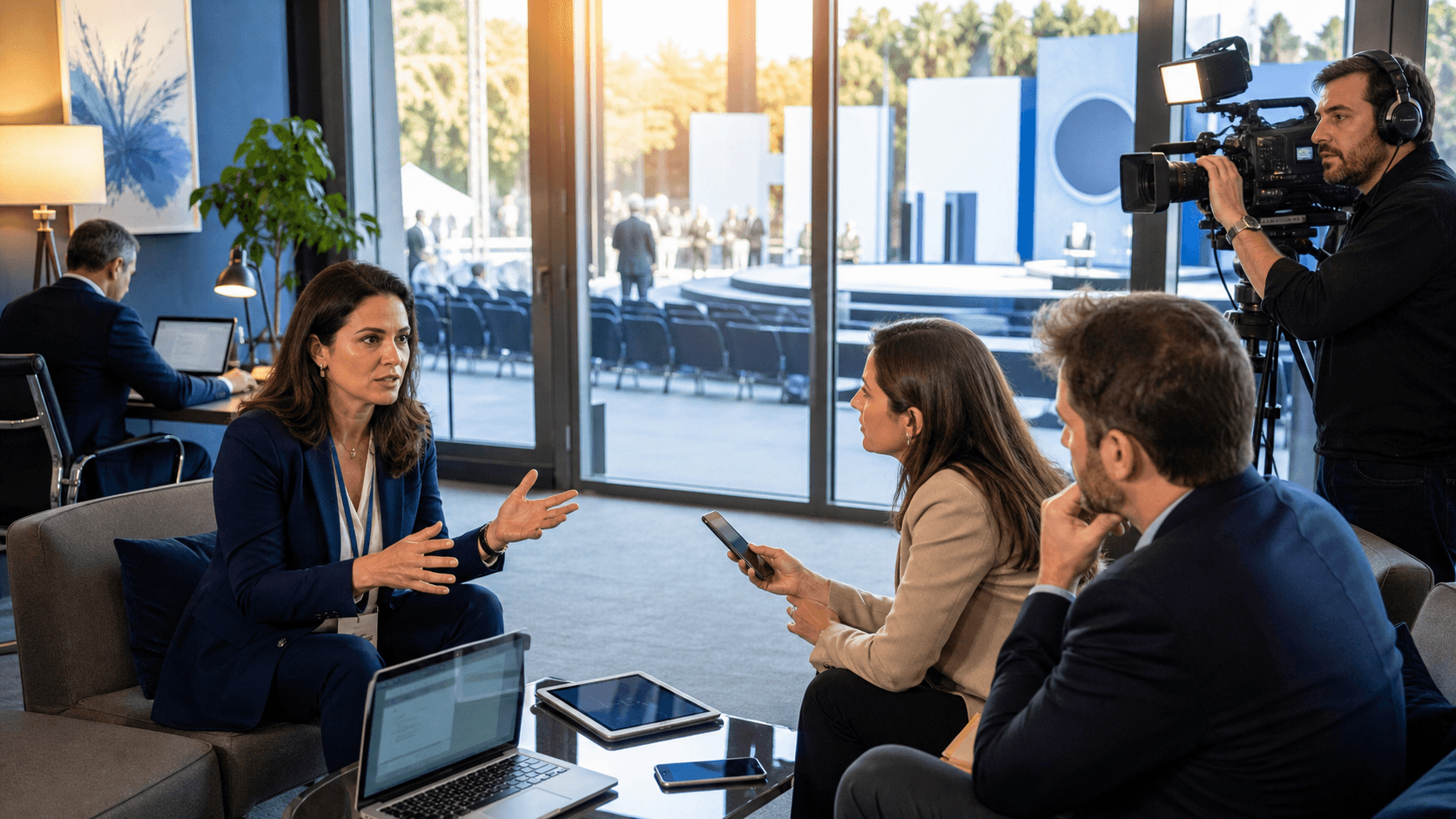
- Talent interviews and soundbites
- Over-the-shoulder shots of creators creating content
Use live tagging and clear naming so footage is searchable the next morning. Back up as you go. Keep an eye on social chatter during the event to spot breakout moments or surprise creators, then send a camera to capture extra content from them.
On approvals, do not wait until a week later when memories are fuzzy. While energy is high:
- Grab quick on-phone or verbal approvals for key clips
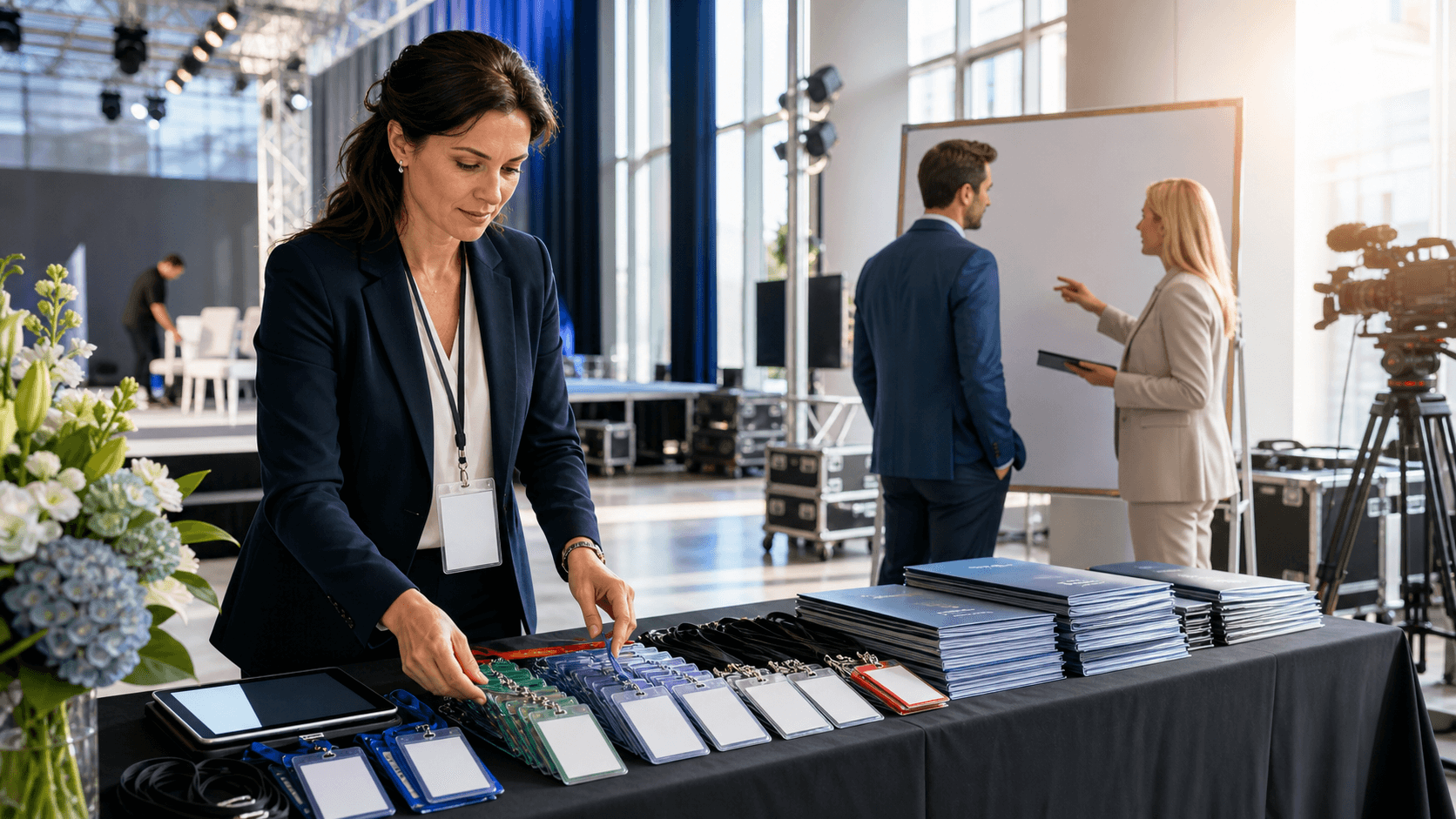
- Use QR codes or tablets at check-in for UGC and likeness terms
- Offer fast selects so VIPs can favorite clips and flag anything off-limits
This builds trust and makes later paid usage way smoother.
Turn Organic Event Hype Into Whitelisting and Spark Ads
Once content starts hitting feeds, you want a clear rights and paid plan ready to move. Start by classifying everything into tiers:
- Brand-owned content your team shot
- Creator content covered by contracts
- Organic UGC created by guests and fans
Create simple rules for where each tier can run: organic social, paid social, OOH, in-store, retail partners. Then put the tech and process in place so rights are actually usable, not just legal language on paper. That includes platform whitelisting setups, Spark Ads approvals, and creator handle linking.
For whitelisting and Spark Ads, move fast but with intention. In the first couple of days, look for posts with strong saves, shares, comments, or full views. Those are the ones to:
- Boost directly from creator handles as Spark Ads
- Whitelist into your ad account for more control
- Test for different funnel stages, from broad awareness to retargeting
Run A/B tests with creator-led and brand-led versions of the same content. Learn which style and voice drives better CPV, CTR, and conversion quality.
All of this should sync with your PR and influencer marketing agency services. Paid calendars need to align with press drops, editor stories, and retail or DTC go-live dates. Your agency can help:
- Negotiate incremental usage if content over-performs
- Set up platform permissions and workflows
- Balance budgets across creators, channels, and audience tiers
Every person who engages with your event content can feed always-on retargeting pools for future launches, collabs, or seasonal pushes.
Architect a Post-Event Content and Distribution Roadmap
When the last guest leaves, your content plan should just be getting started. Turn the event into a multi-week release calendar.
Think of the content in episodes:
- Teaser and countdown moments
- Hero recap and highlight reels
- Product education clips and tutorials
- Behind-the-scenes and bloopers
- Talent and creator spotlights
- Community reactions and stitch or duet prompts
Time these waves around key retail moments and seasonal shifts. Keep each platform native: short and scrappy for TikTok, more polished for Instagram, longer interviews or panel cuts for YouTube.
Use event engagement data to build custom audiences. For example:
- Attendees and RSVP lists
- People who watched or engaged with event content
- New buyers or samplers from the launch
Match different creator tiers to each stage of the funnel. Celebrities and big names drive awareness. Mid-size creators handle deeper education. Smaller, community-led creators help drive conversion and trust.
Refresh creative every week using new cuts from your event asset library so ads stay fresh within your rights window. Before all of this goes live, define what success looks like across PR, social, and paid. Then, once results are in, break them down by creator, format, and placement so you know who and what to repeat for your next big moment.
Feed those learnings right back into the next activation. Double down on the capture moments, formats, and partnerships that delivered the strongest performance, and trim what did not pull its weight. Over time, each event becomes less of a one-off and more of a repeatable, scalable content engine that keeps your brand present across feeds long after the last photo is snapped.
Get Started With Your Project Today
If you are ready to turn influencer partnerships into measurable growth, The Brand Agency is here to help you build a strategy that fits your brand and budget. Explore how our influencer marketing agency services have helped other brands launch campaigns that drive real results. We will work with you to clarify your goals, identify the right creators, and manage every detail from brief to final report. Have questions or want to discuss a specific idea? Contact us and let's map out your next campaign.