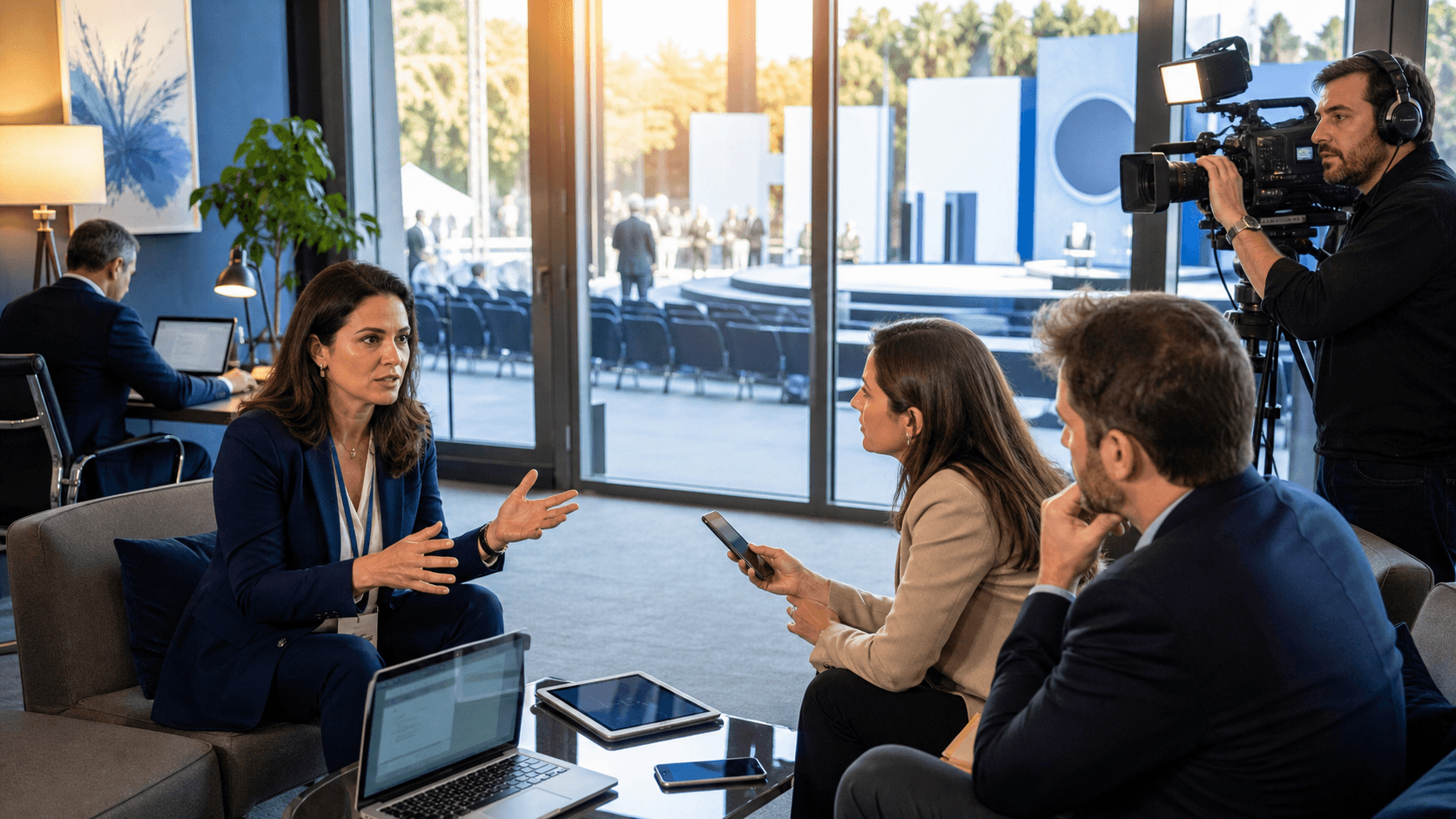
Turn Live Events Into Press-Worthy Brand Moments
Big cultural events are not just entertainment. They are massive live media stages where brands either show up or stay silent. When the red carpet is rolling or a big game is in overtime, editors, creators, and fans are all watching the same thing at the same time.
That shared attention is where smart media relations work hard. Event newsjacking means using those live or breaking moments to place your brand inside timely coverage in a way that feels natural, not thirsty. It is not about forcing yourself into every headline; it is about knowing when your brand, your product, or your talent partner truly fits the story.
Fall makes this especially real. New York Fashion Week, major film festivals, new TV seasons, early holiday drops, and brand previews all hit at once. Without a clear media relations playbook, teams scramble, miss windows, or pitch too late. At The Brand Agency, we look at these moments through a celebrity-first lens, using talent-led activations to turn a single red carpet or appearance into weeks of editorial momentum.
This playbook breaks down how to plan timing, offer exclusives, and pitch fast, so your team can stop reacting in panic, and start running repeatable plays that work.
Build a Cultural Events Radar Before You Need It
The brands that win live moments do not start planning the day of the event. They build a cultural calendar early and keep it close to the teams who actually pitch.
Your events radar should map out:
- Award shows and red carpets
- Fashion weeks in key cities
- Festivals and tentpole premieres
- Sports finals and major tournaments
- Holiday moments and big retail dates
Then, split your opportunities into two tiers. First are the predictable tentpoles like major award shows or the Super Bowl. You know the dates, the carpets, and the likely themes, so you can plan talent, product, and story angles ahead of time. Second are surprise sparks, like a breakout outfit, a viral speech, or a beauty look that takes over social feeds. These lean more on fast verification and quick-turn pitching.
A strong media relations agency looks at where your brand truly has a right to speak. That might be through:
- Celebrity or influencer partners
- Stylists and glam teams who already love your products
- Designers, show producers, or creative directors tied to your category
- Existing relationships with editors who trust your access
You also need basic readiness. Before fall hits, make sure you have:
- Updated brand and talent bios
- Pre-approved quotes and talking points
- Product details, pricing, and availability
- Clean, labeled images and short B-roll clips
- Social listening tools to catch mentions in real time
With this in place, you are not hunting for photos or approvals as the carpet is already rolling.
Perfect the Timing: Pre-Event, in-Moment, and Next-Day Plays
Strong event coverage is rarely one pitch. It is a timing ladder.
Pre-event, your focus is seeding. Weeks ahead, you can pitch under embargo around:
- Celebrity fittings or designer collaborations
- Beauty and hair test sessions and creative direction
- Backstage or behind-the-scenes access
- Planned product placement or gifting
These stories go to trusted long-lead editors who can build deeper pieces. Your offers should feel like access, not ads.
During the event, your team should be in a shared physical or virtual war room. PR, social, talent managers, and maybe even the stylist team are all watching live feeds. As soon as your product, look, or experience appears, you:
- Verify usage and get clear visuals
- Flag the top outlets you want to hit first
- Draft tight "seen on" or "as worn by" notes with images
- Send within minutes while the moment is still trending
Next day, editors shift from "what is happening right now" to "what did it all mean." This is when you can pitch:
- Trend recaps across red carpets or shows
- Expert commentary from your brand or talent
- Deeper features on craft, design, or cultural impact
Timing shifts by outlet. Morning shows lock segments the day before or very early morning. Digital lifestyle and entertainment editors move fast but still work within daily cycles. Newsletters need copy ahead of send time. Creators may turn content around in hours, but some prefer more polished next-day posts. Your media relations agency should map pitch cadences to each format, not blast everything at once.
Use Exclusives and Embargoes Without Burning Bridges
Exclusives can be powerful if you treat them with care. Ask first what is truly worth a full exclusive. Some options might be:
- First look at a gown, suit, or custom piece
- A backstage portrait series or glam chair content
- A product debut on a specific talent at a specific event
Often, a tiered approach works better. One outlet gets the first full story or gallery, while others get different angles, such as a separate beauty breakdown, a styling how-to, or a designer Q&A.
Matching outlet to moment matters. You want the right "home" for the story. That might mean:
- A fashion book for serious couture coverage
- A beauty outlet for hair, skin, or makeup detail
- An entertainment site for character, narrative, or series context
Planned event tie-ins, like capsule drops or experiential pop-ups, benefit from embargoes. Give editors time to interview, gather visuals, and prepare stories that go live in sync with the event, so you are leading the news, not chasing it.
Always protect relationships by:
- Confirming exclusives and embargo terms in writing
- Being precise about "first," "only," and timing windows
- Offering follow-up angles or extra assets to secondary outlets
- Avoiding last-minute changes unless absolutely needed
This is where a seasoned media relations agency is helpful, because they know how to balance one big win with long-term trust.
Master Rapid-Response Pitching Without Being Opportunistic
Event news moves fast, but taste still matters. To move quickly without crossing lines, build rapid-response toolkits ahead of time, including:
- Short, flexible pitch templates
- Pre-cleared quotes from brand leaders and experts
- Talent bios and approved talking points
- Product one-sheets with key details
- High-res imagery in multiple crops and formats
When a moment hits, angle comes first, product second. Editors care about what their audience wants to know: how to get a look, what trend this signals, how it ties into culture, or what craft went into the styling or glam. Your product sits inside that story; it is not the story itself.
Before sending anything, run quick tone and safety checks. Ask:
- Is this moment fun, neutral, or serious?
- Could this be linked to controversy or personal struggle?
- Are we adding clarity or just trying to sell?
- Would this feel respectful to the talent involved?
If the answer feels off, sit that cycle out. One missed headline is better than long-term damage.
Finally, coordinate across channels. Your PR pitch, influencer content, and social captions should match in core talking points. When a celebrity tags a brand, a stylist posts a behind-the-scenes Reel, and an outlet runs a story, they should all tell one clear, aligned story, not three competing ones.
Turn One Viral Moment Into Long-Term Brand Equity
When a moment hits, the work is not over. To turn attention into brand equity, you can:
- Create owned recaps on your channels and newsletters
- Share TikTok or short-form breakdowns of styling, glam, or creative direction
- Build evergreen case studies your team can share in future pitches
- Use paid support to gently boost top press hits
Look for patterns across event cycles and build repeatable formats, like:
- Seasonal "best dressed" lists tied to your category
- Regular trend reports after big cultural weeks
- Recurring diaries or behind-the-scenes content with talent partners
Measure what truly moved the needle. Do not just look at clips or impressions. Watch for search lift around your brand, more branded queries, stronger follower quality, and affiliate or retail signals.
When you find plays that work, document them. Turn them into clear internal processes with owners, timelines, and target outlets. A celebrity-first media relations agency like The Brand Agency can help turn those one-off wins into a set of consistent, culture-ready plays that keep your brand in the conversation all season long.
Get Started With Your Project Today
If you are ready to strengthen your brand's visibility and credibility, our team at The Brand Agency is here to help. As a dedicated media relations agency, we work closely with you to build strategic campaigns that reach the right audiences and generate meaningful coverage. Tell us about your goals, and we will outline a tailored approach that fits your needs and timeline. To discuss your next step, simply contact us and we will follow up promptly.